Historical record
Museum catalogues document artworks and later legends; they do not establish one single historical biography.
Mythology field guide
Museum records describe Zhong Kui as a legendary vanquisher of demons whose imagery became associated with protection. That tradition is context—not a synopsis of the game.
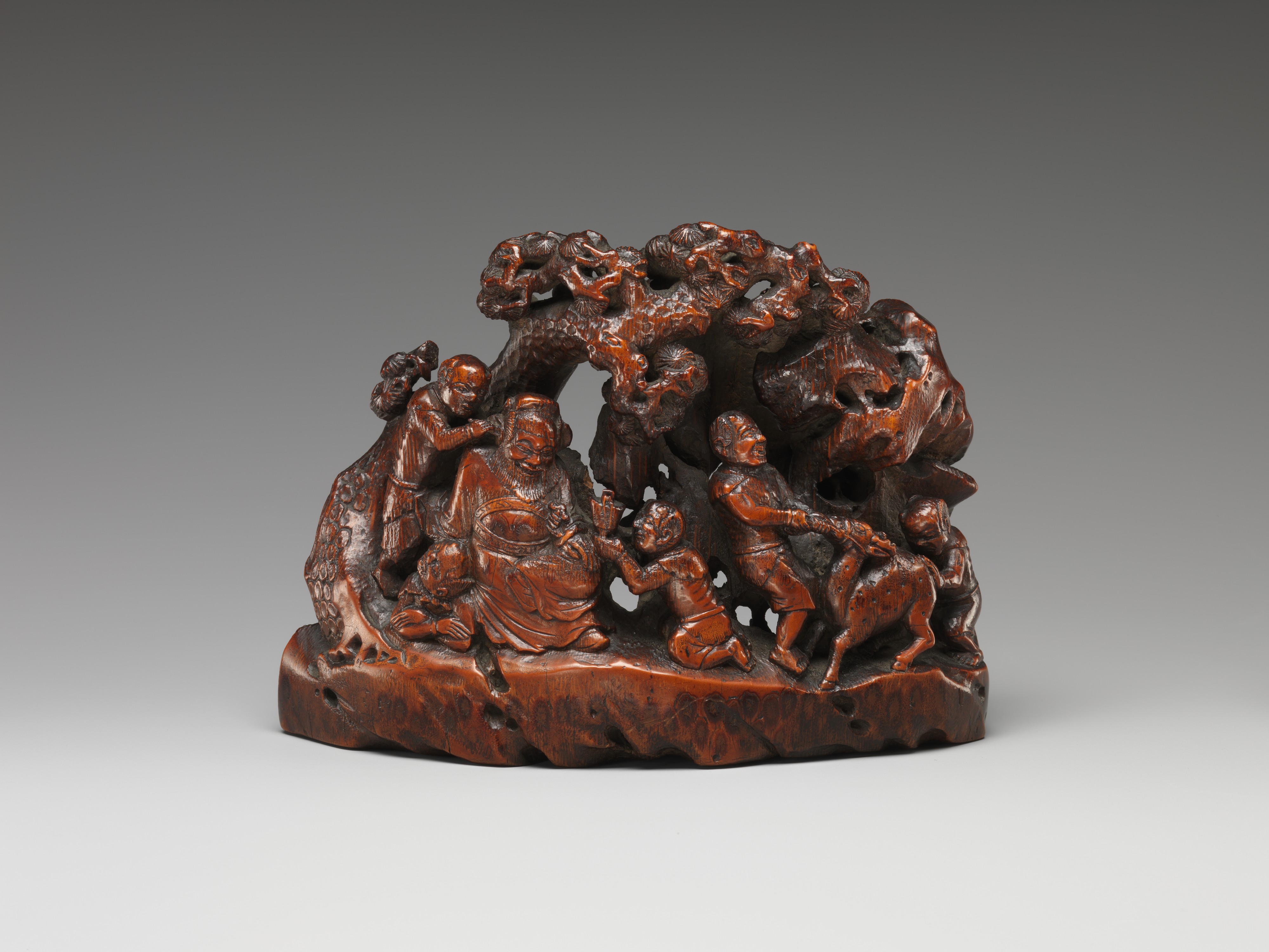
Traditional context
Museum collection records trace the demon-quelling tale to legends associated with Tang emperor Xuanzong. Later artworks repeatedly cast Zhong Kui as a vanquisher of demons and a protective presence.
This Qing dynasty bamboo carving is one example of the figure’s circulation across materials and periods. It documents visual tradition; it does not reveal Game Science’s plot.
Museum catalogues document artworks and later legends; they do not establish one single historical biography.
Images of Zhong Kui were displayed to ward off evil, including around the Lunar New Year and the fifth lunar month.
Game Science draws primary inspiration from the folk figure, but has not disclosed which stories, symbols or episodes will become game canon.
Demon-queller
Across museum descriptions, Zhong Kui appears defeating, commanding or being accompanied by demons. Household protection and the expulsion of misfortune recur in later visual culture.
Adaptation firewall
A tiger, sword, sister, imperial dream or demon in a traditional source cannot be assumed to appear in the game. We will label any such connection as analysis until Game Science confirms it.
Museum record
The long handscroll format creates narrative movement around Zhong Kui and his sister’s wedding procession. It is useful evidence of later artistic storytelling, not a forecast of game characters.
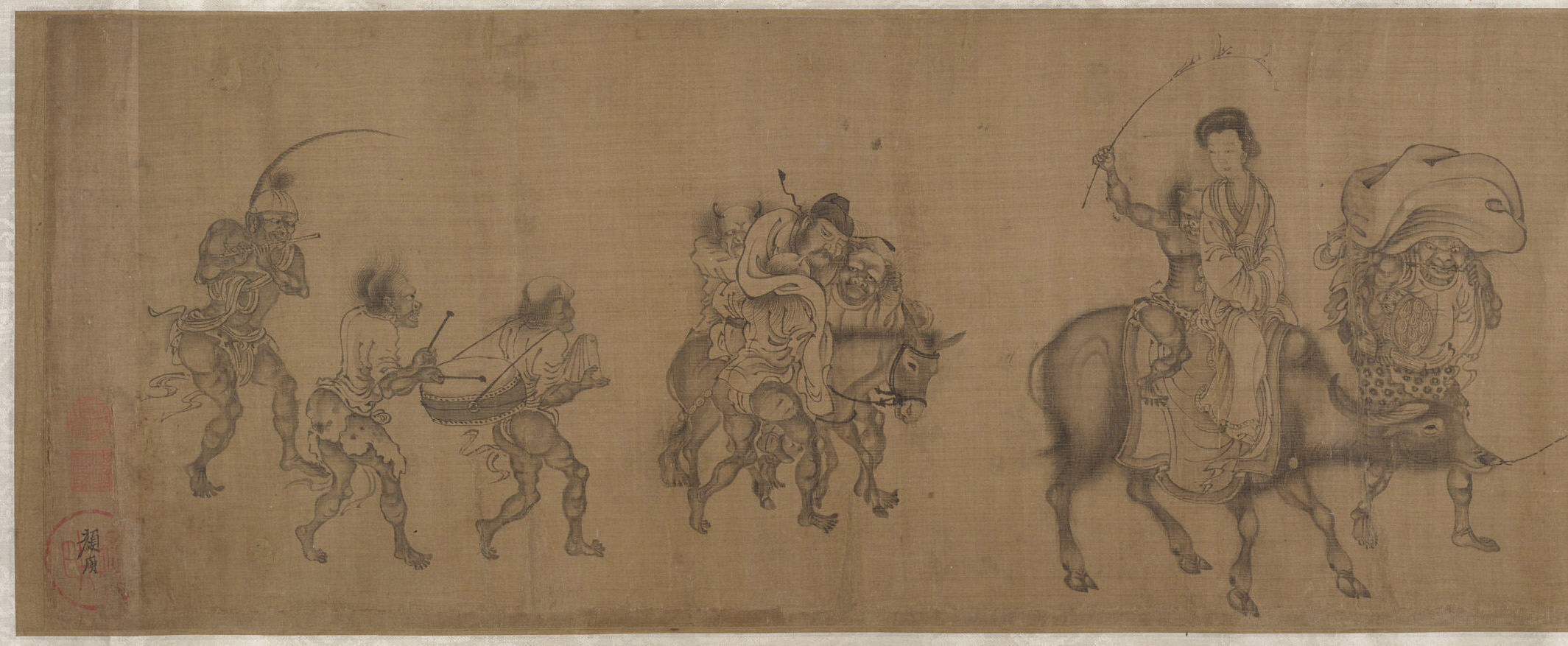
Evidence checkpoint
Zhong Kui has a long visual and narrative tradition as a demon-queller and protective figure; Game Science cites the figure as primary inspiration.
Open questions
Which textual tradition, characters, rituals or episodes the final game adapts.